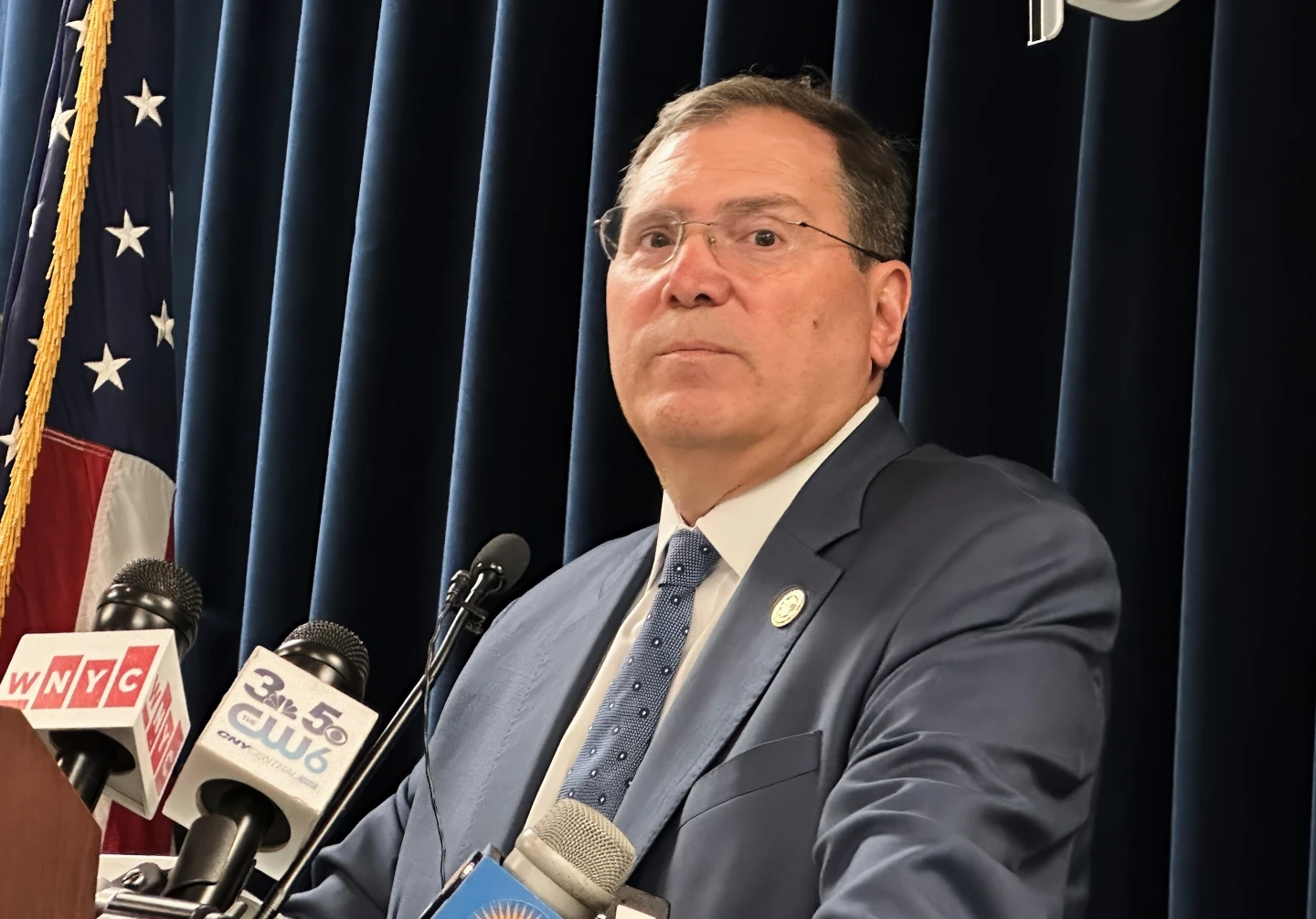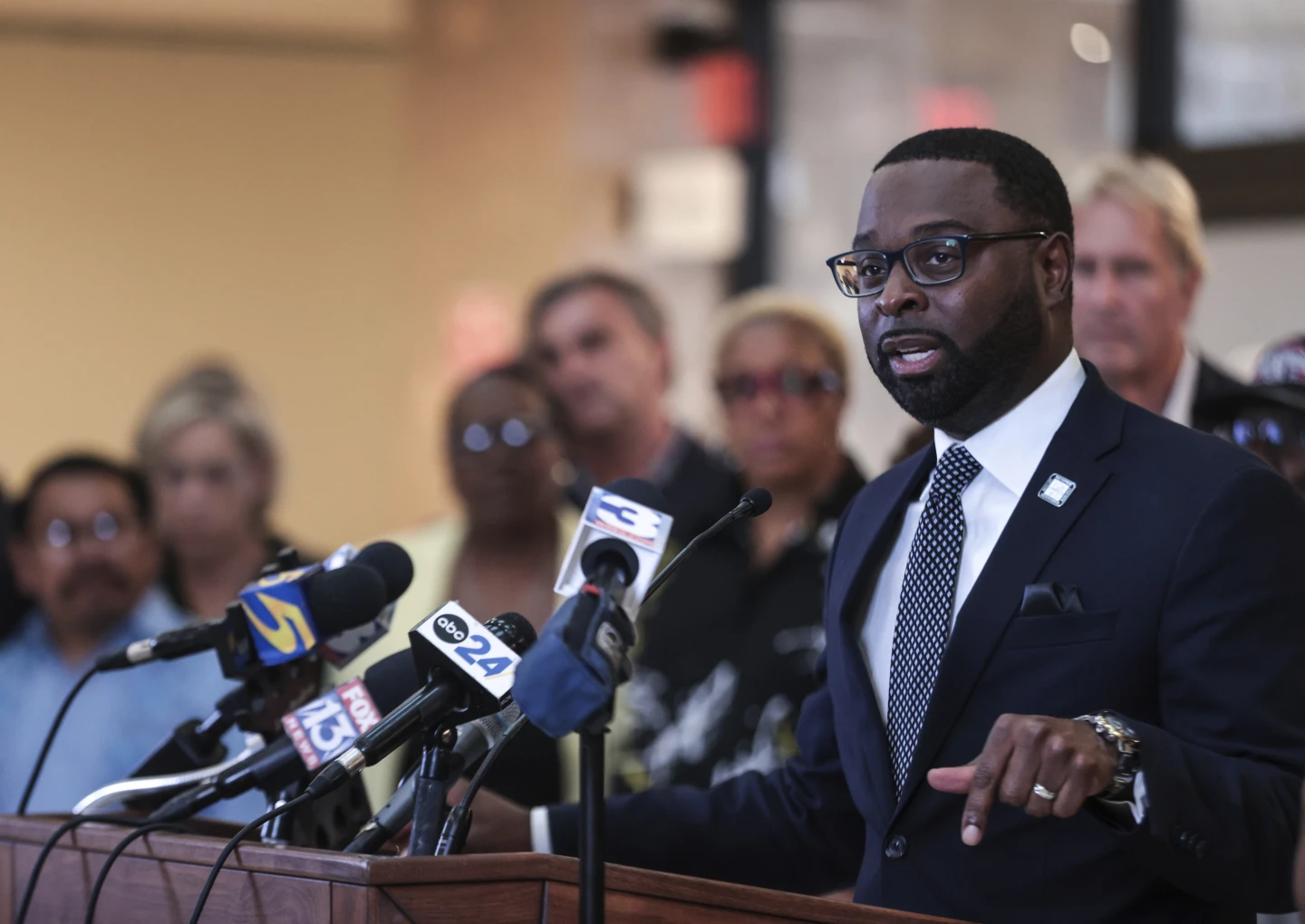
NASHVILLE, Tenn. (PulseWire) — The Mayor of Memphis, Paul Young, confirmed on Saturday that President Donald Trump's televised announcement about deploying the National Guard to the city for anti-crime efforts was the first formal confirmation he had received regarding the initiative.
During an appearance on CNN, Young shared that he had been informed about the consideration of deploying the National Guard earlier in the week by Republican Governor Bill Lee's office. Despite this prior knowledge, he stated that the announcement made by Trump on Fox News was, in fact, the definitive confirmation he was waiting for.
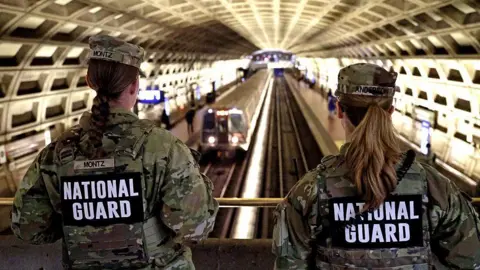
Trump described Memphis as a deeply troubled city and indicated that the deployment would mirror actions taken in Washington, where federal law enforcement had increased in response to rising crime rates.
When asked whether he had any other confirmations regarding the deployment prior to Trump's announcement, Young stated: No, that was the confirmation. However, he maintained that while recent reports indicate drops in major crime categories in Memphis, the city has been grappling with persistent gun violence, with a record 390 homicides reported in 2023.
The conversation between Young and Trump appears to be part of an ongoing dialogue that has involved various state and federal law enforcement agencies. Young noted that while he did not specifically request the National Guard's assistance, he recognizes the city's long-standing issues with crime and aims to influence how the guard shall operate within Memphis.
Young articulated that there is still much uncertainty over the specifics of the deployment, including the number of troops, their roles, and the timing, promising that more information would unfold in the following week. He recommends that the National Guard could potentially assist in community programs, support local events, and help monitor surveillance to aid law enforcement in their efforts.
It is notable that the presence of the National Guard is a sensitive subject in Memphis. Community sentiments echo historical recollections of military involvement in local policing, particularly surrounding civil rights events in the past, which Young acknowledges by stating: We don’t want to invoke those same images here.”
As the discussion continues on how best to deploy resources for public safety, Memphis finds itself at a critical juncture, balancing historical context, community relationship with law enforcement, and the immediate need for support in addressing crime.