In brief
Landau's appointment signals a continued focus on an America First foreign policy
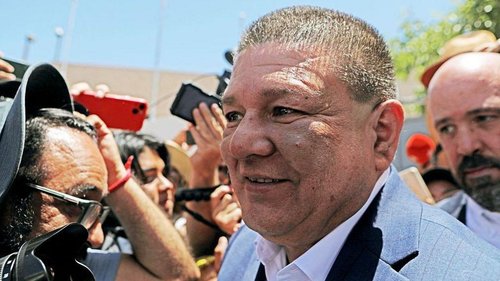
On December 8, 2024, President-elect Donald J. Trump announced the selection of Christopher Landau, a seasoned lawyer and former ambassador to Mexico, for the position of Deputy Secretary of State. This announcement, made via social media, highlights Trump’s emphasis on an America First foreign policy, particularly concerning key issues such as immigration, trade tariffs, and military expenditures.If confirmed by the Senate, Landau will work alongside Trump’s choice for Secretary of State, Senator Marco Rubio of Florida. Trump’s foreign policy vision includes efforts to curb illegal immigration, renegotiate military spending commitments with allies, and understand the geopolitical landscape through direct talks with leaders like Vladimir Putin, Xi Jinping, and Kim Jong-un.Landau, who served as ambassador to Mexico from 2019 until Trump’s defeat in 2021, is expected to share responsibilities related to migration and tariffs, utilizing his established experience with Mexico to influence policies aimed at reducing illegal immigration. During his tenure as ambassador, he was credited with contributing to efforts that successfully decreased illegal border crossings.A graduate of Harvard Law School, Landau has a distinguished legal career, previously clerking for Supreme Court Justices Antonin Scalia and Clarence Thomas. His ties to diplomacy run deep, being the son of George Landau, a former U.S. diplomat who held ambassadorships in Paraguay, Chile, and Venezuela. Beyond his legal background, Christopher Landau is actively involved in the Diplomacy Center Foundation, which promotes understanding of U.S. diplomacy.Simultaneously, Rubio has showcased a strong commitment to Latin American affairs throughout his political career, particularly regarding Venezuela, suggesting a cohesive approach between both officials in shaping U.S. foreign relations in the region.Landau’s previous Senate confirmation for his ambassadorship indicates that his upcoming nomination is likely to face minimal opposition. As the political landscape evolves, the implications of this appointment will be closely monitored within the context of American foreign policy initiatives.