In brief
Amid doctors' strikes and inadequate healthcare infrastructure, the impact of Nigeria's high maternal mortality rate raises alarms, with preventable deaths becoming tragically common.
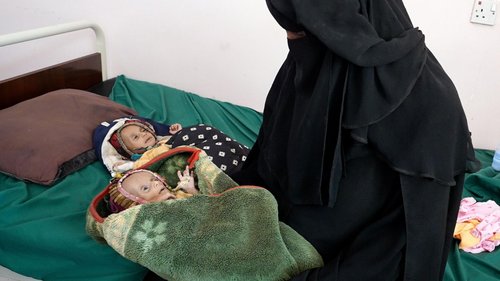
Nigeria is facing an alarming maternal mortality rate, with one woman dying every seven minutes during childbirth. Recent statistics indicate that the country is home to a staggering 75,000 maternal deaths per year, accounting for nearly 29% of global fatalities linked to childbirth. Stories like that of Nafisa Salahu, who endured days of labor without adequate medical assistance, underscore the dire situation as she lost her baby despite surviving the ordeal.The root causes of Nigeria's maternal health crisis include a lack of healthcare facilities, shortage of trained medical personnel, financial barriers to accessing quality care, and cultural stigmas surrounding hospital births. Many women, especially those in rural regions, opt for traditional methods instead of seeking medical help, often causing critical delays in receiving necessary treatment.Dr. Nana Sandah-Abubakar from the National Primary Health Care Development Agency has acknowledged the severity of the issue while discussing a new initiative aimed at reducing maternal deaths. The Maternal Mortality Reduction Innovation Initiative (Mamii) aims to target high-risk women to provide them with the support they need throughout their pregnancy, childbirth, and postnatal care. Early reports suggest 400,000 pregnant women have already been identified, but more extensive plans need to be solidified for real impact.Meanwhile, the stark contrast between urban and rural healthcare reveals a deep inequity in maternal care quality. While educated women in urban areas like Abuja often receive timely medical attention due to better access to hospitals, their rural counterparts continue to face the grim prospects of unmonitored pregnancies and unsafe delivery. Without significant investment in healthcare systems and improvement in accessibility, the suffering of countless families will persist, making Nigeria the world's most dangerous place for childbirth.As the nation grapples with this ongoing crisis, the urgent call for reform echoes across communities—one that emphasizes the importance of maternal health, training, and necessary resources to save lives.