In brief
With new animal welfare laws in place, activists demand suitable alternatives for Wikie and Keijo amid contrasting proposals.
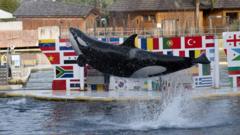
The fate of two killer whales, Wikie and her son Keijo, is in question following the closure of Marineland Antibes, a marine zoo in France, bringing a halt to the orcas' performances. Effective from January 5, the closure follows the implementation of new animal welfare laws banning the use of orcas and dolphins in such shows. Marineland, claiming to be Europe’s largest marine zoo, is now caught in conflict over the future of these whales.Campaigners argue that it is inhumane for the orcas to be transferred to another entertainment facility, specifically a marine zoo in Japan, where they are projected to receive lesser care. This proposal was blocked by the French government last November, which cited the potential stress caused by the long 8,000-mile journey and the relaxed animal welfare regulations existing in Japan. Experts assert that releasing the orcas into the wild is not feasible as they were born in captivity and lack essential survival skills. Hanne Strager, a marine biologist, compared their situation to that of a dog being let loose in the woods; their survival relies heavily on human interaction, care, and learned socialization.Meanwhile, an alternate proposal exists for sending the orcas to Loro Parque in Tenerife, a marine zoo that operates under European animal welfare standards. Nonetheless, activists fear that transitioning the orcas from one captivity setting to another will offer little improvement as both have a history of fatal incidents involving orcas at that location. Activists, led by organizations such as World Animal Protection (WAP), are advocating for a sanctuary in Nova Scotia, Canada, where Wikie and Keijo could live in a more natural environment tailored for their needs. This sanctuary would enclose a 40-hectare bay, allowing the orcas to thrive under professional supervision while enjoying a semblance of freedom.Such sanctuary proposals highlight the broader wildlife captivity debate, which gained significant attention after the documentary "Blackfish" depicted the struggles of captive orcas, leading to ongoing scrutiny of marine parks worldwide.As Marineland prepares to close, the fate of Wikie and Keijo remains a litmus test for global animal welfare discussions, reflective of changing public views towards marine life in captivity. Amid the uncertainty, the message rings clear: the precious lives of these orcas deserve a humane and thoughtful consideration for their future.